
Tale of Immortal
WENXIN GamesRole Playing
4.423.00 Reviews
- Version
- 1.1.541
- Installs
- 10.00K
- Age Rating
- Teen
Screenshots
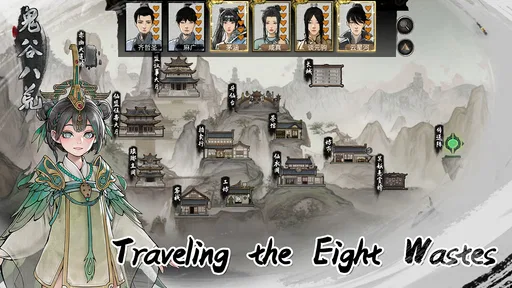
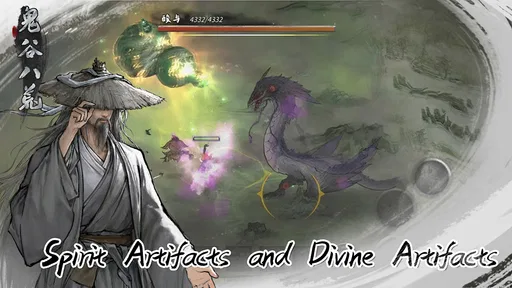
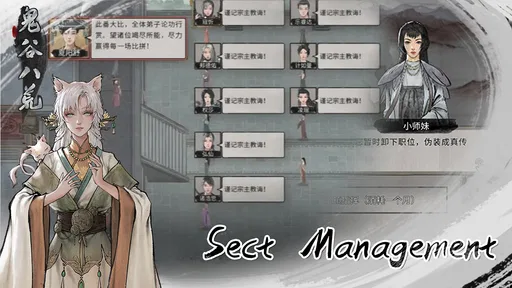
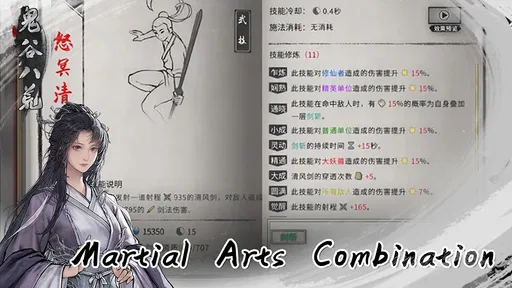
Our Review of Tale of Immortal
 Analysis by Appyee
I enjoy role-playing games that let me settle into a world rather than rush from one fight to the next, and Tale of Immortal is most appealing when I treat it as a long cultivation journey. Its Chinese-mythology setting gives the adventure a distinct identity, while the sandbox approach suggests room to shape how that journey unfolds. I would approach it as a game for unhurried sessions and gradual progress, not as a quick action game to dip into for a few minutes and immediately master.
What the pace asks of you
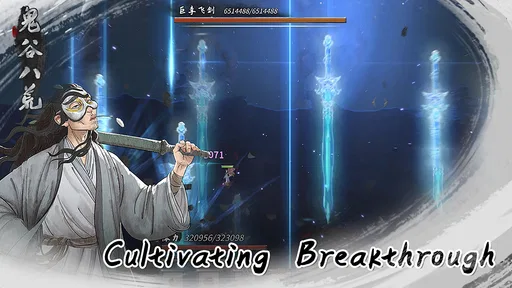
The rhythm here is better suited to players who like pausing to think between encounters. Combat mixes real-time action with decisions about which skills to use and when, so a fight is not simply a matter of tapping through it. The cultivation side also puts the emphasis on building strength over time. If you want constant bursts of action, that measured progression may feel slow; if you enjoy seeing preparation pay off, it can be the point.
My practical advice is to avoid judging the game by a single early session. Give yourself enough time to understand how its fighting and growth fit together, then decide whether the loop suits you. A short session can still work for checking in on your progress, but the most satisfying play is likely to come when you have time to explore, speak with characters, and make decisions without watching the clock.
Where a session can get demanding
Role-playing games built around exploration, dialogue, combat, and character development can ask for more attention than a simple arcade game. Here, the combination of skill choices and cultivation makes it useful to keep track of what you are trying to improve, rather than treating every activity as an unrelated task. I would pick one immediate goal for a session—such as learning a fight’s rhythm or working toward a particular improvement—so the broad sandbox does not feel aimless.
That approach is especially helpful on a busy day. Imagine opening the game after dinner with only a little free time: instead of roaming without a plan, decide whether you want a focused battle or a small step in your character’s development. When you have a longer stretch, use it for the more absorbing parts of the journey, including exploration and conversations. This makes the game easier to fit around real life without expecting every visit to deliver a major breakthrough.
Reliability, expectations, and a sensible trial
I would not make promises about loading speed, battery use, temperature, or stability across devices; those can vary with hardware and the game’s current build. The useful expectation is that this is a substantial role-playing experience, so it is sensible to try it on the device you intend to use and see how it feels during both a quiet exploration stretch and a busy fight. If a session is interrupted, return with a clear next goal rather than assuming you need to retrace every step.
The mobile release is from WENXIN Games, and its current version is 1.1.541. The game launched on May 20, 2025, and has a Teen age rating. It has a 4.4 average from around 1.3 thousand ratings, with 10 thousand or more installs. Those figures suggest a modest but established audience; they are context, not a guarantee that the controls or performance will suit your particular phone.
Who will enjoy this kind of cultivation RPG?
I would recommend it most to players who like mythology, gradual character growth, and the freedom to spend time on more than combat alone. It may also suit someone who enjoys making a character and inhabiting a fantasy setting, rather than racing through a linear chain of missions. The Chinese-inspired world is a welcome change if your usual role-playing games lean on familiar medieval fantasy imagery.
On the other hand, I would steer away if you need a clear objective every minute, prefer short rounds with immediate rewards, or dislike systems that ask you to invest in steady development. It is also not the obvious pick for someone seeking a purely story-led experience with little tactical input. A tightly directed role-playing game may be a better fit if you would rather follow a fixed plot than decide how to spend time in a sandbox.
How it differs from more familiar RPG choices
Compared with a typical mobile action RPG built around rapid encounters and frequent reward prompts, the appeal here is the blend of cultivation and exploration. Compared with a fully linear fantasy adventure, the sandbox framing gives more weight to personal pacing and choices. That difference is a trade-off: freedom can make a world feel personal, but it can also leave you responsible for choosing what matters next.
For a useful first session, I would pay attention to whether the character-growth loop feels satisfying before committing to a long-term routine. Notice whether skill timing keeps combat interesting, and whether the setting makes you curious enough to explore after a fight. Those are better tests than simply asking whether the game looks impressive, because they reveal whether its central rhythm matches how you like to play.
The game costs $7.99, with optional in-app purchases priced from $1.99 to $2.99 per item. I would factor the upfront cost into the decision rather than assuming the game is free to sample, and I would treat the optional purchases as a separate choice rather than a requirement. If you are uncertain, first consider whether you genuinely want a slower, progression-focused RPG; the price makes that fit more important than a passing curiosity.
There are also ordinary practical questions worth answering before settling in. Is it a casual pick-up-and-play game? It can fit a short check-in, but its systems are more rewarding when you have time to focus. Is it suitable for younger players? Its Teen rating is the clearest guide for families. Does it require paying for every step? The listed purchases are optional items, while the game itself has a purchase price.
For device planning, I would keep expectations realistic. The minimum operating-system requirement is version 7.1, but that alone does not tell you how smoothly the game will run on every device that meets it. Older or heavily used phones may offer a different experience from newer hardware, so try a representative session before making it your main game. If you notice heat, stutters, or quick battery drain, shorter sessions and closing other demanding apps are sensible general steps, not a guarantee of a fix.
In everyday use, the best routine is flexible: play a focused stretch when you have time, then return later with one clear objective. That keeps cultivation from becoming an obligation and makes the sandbox feel purposeful. I would not choose it as a background game to leave running while distracted; the combat and decisions deserve attention, and the slower pace is easier to enjoy when you are not trying to squeeze it into every spare minute.
My performance verdict is therefore cautious but positive about the game’s design rather than unverified technical claims. Its role-playing structure gives you reasons to explore, develop your character, and learn how battles work, while the open-ended pace will not suit everyone. If you want a quick, frictionless mobile diversion, choose something lighter. If you have room for a more deliberate journey shaped by Chinese mythology and cultivation, this is a distinctive option to consider.
Embarking on Your Journey
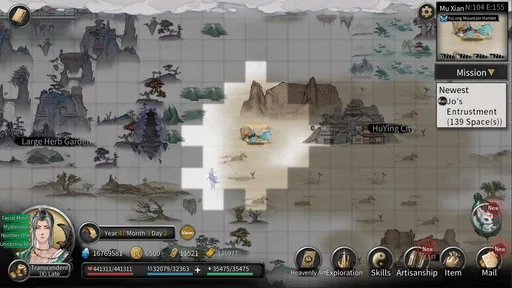
From the moment you start Tale of Immortal, you’re thrust into a vibrant world inspired by Chinese mythology. The game kicks off with a character creation screen, offering a decent range of customization options. Whether you want to be a fierce warrior or a wise sage, the choice is yours. I spent a good chunk of time here, trying to create the perfect avatar to represent my journey towards immortality.
The game’s narrative is engaging, pulling you into a storyline filled with intrigue and adventure. You’re not just wandering aimlessly; you’re on a mission to ascend to godhood, and every interaction you have with NPCs feels meaningful. The dialogue is well-written, often peppered with humor and wisdom. It’s like reading a fantasy novel where you’re the protagonist.
Gameplay and Mechanics
Now, let’s talk about the gameplay. If you’re a fan of RPGs, you’re going to love this. The combat system is smooth, with a mix of strategic planning and real-time action. You can switch between different skills, each with its own cool animations. It’s all about finding the right balance and timing to defeat your enemies.
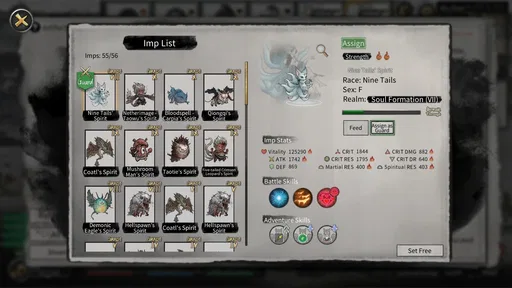
One of my favorite aspects is the cultivation system. It’s not just about grinding levels; it’s about understanding the nuances of spiritual growth. You gather resources, meditate, and slowly build your power. It feels rewarding, and there’s a certain zen to it – like you’re truly working towards that elusive state of immortality.
Visuals and Soundscape
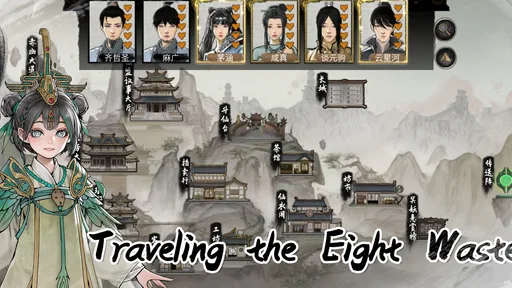
The graphics are nothing short of stunning. The art style is a blend of traditional Chinese paintings and modern animations, creating a visually striking experience. Each environment is meticulously designed, from lush forests to daunting mountains. I often found myself pausing just to take in the scenery.
The sound design complements the visuals beautifully. The background music is soothing yet epic, setting the perfect tone for your adventures. The sound effects are crisp, making battles feel alive. It’s like the game is whispering ancient secrets to you through its audio.
The Community and Longevity
One of the things that keep players hooked is the community around Tale of Immortal. There are forums and groups where players share tips, fan art, and even fan fiction. It’s a testament to how immersive and captivating the game can be. Plus, the developers are active, often rolling out updates and listening to player feedback.
As for its longevity, the game is packed with content. There are countless quests, hidden secrets to uncover, and challenges to complete. It’s the kind of game you can keep returning to, always finding something new to explore or a new technique to master.
Final Thoughts
In conclusion, Tale of Immortal is a game that promises adventure, depth, and a truly captivating journey. It’s like a blend of mythology, strategy, and artistry, wrapped up in a mobile game package. Whether you’re a casual gamer or a hardcore RPG fan, this game offers something for everyone. So, if you’re ready to embark on a path to immortality, give it a try. Trust me, you won’t be disappointed.
Verdict
Strengths of Tale of Immortal
- Immersive open-world exploration.
- Rich storytelling with multiple endings.
- Strategic combat system.
- Stunning graphics and art design.
- Engaging character progression.
Limitations of Tale of Immortal
- Complex mechanics may overwhelm newcomers.
- Occasional performance issues.
- Limited tutorial guidance.
- In-game purchases can be pricey.
- Some quests feel repetitive.
Similar Picks in This Category
View All
Hair Dye
CrazyLabs LTD4.4

Monster High™ Beauty Salon
CrazyLabs LTD4.5

Bus Simulator - Bus Games 3D
Jima Apps4.4

Flight Pilot: 3D Simulator
Wildlife Studios4.1


Super Stylist Fashion Makeover
CrazyLabs LTD4.4
Frequently Asked Questions
What is the main objective of Tale of Immortal?
Tale of Immortal is an open-world sandbox game focused on Chinese mythology and cultivation. Players aim to ascend from a mortal to an immortal being by exploring a vast world filled with mythological creatures, challenging quests, and immersive storylines. The journey involves strategic combat, resource management, and character progression.
Is Tale of Immortal available on both Android and iOS platforms?
As of now, Tale of Immortal is primarily available on PC via platforms like Steam. There is no official release for Android or iOS devices. However, players are eagerly anticipating a mobile version due to the game’s popularity and immersive gameplay. Stay tuned for updates from the developers.
What are the system requirements for playing Tale of Immortal on PC?
To enjoy Tale of Immortal on PC, you'll need at least a Windows 7 operating system, an Intel Core i5 processor, 8 GB of RAM, and a NVIDIA GeForce GTX 1050 graphics card. For optimal performance, it's recommended to have a higher configuration to fully experience the game's detailed graphics and smooth gameplay.
Does Tale of Immortal support multiplayer or co-op modes?
Currently, Tale of Immortal is a single-player experience. The game focuses on personal progression and narrative-driven exploration. While there are community discussions about potential multiplayer features, there’s no official confirmation from the developers regarding such updates at this time.
Are there in-app purchases or microtransactions in Tale of Immortal?
Tale of Immortal does not include in-app purchases or microtransactions. The game is designed to provide a complete experience upon purchase. Players can enjoy the full depth of gameplay, story, and features without additional costs, aligning with its ethos of providing an immersive, uninterrupted gaming experience.
Play our best games!


